Our Mission
At CRM-III, safety is not just a policy — it is a commitment. Our dedicated Safety Team ensures that all operations are carried out with zero compromise on health, safety, and environment.
Key Objectives:
- Ensure 100% compliance with safety standards.
- Conduct regular audits, inspections, and training.
- Implement proactive and preventive safety measures.
- Engage all stakeholders through safety awareness campaigns.
Our Team
Our Safety Team includes safety officers, unit representatives, engineers, and management, all working together to uphold safety culture across CRM-III.
Personal Protective Equipment (PPE)
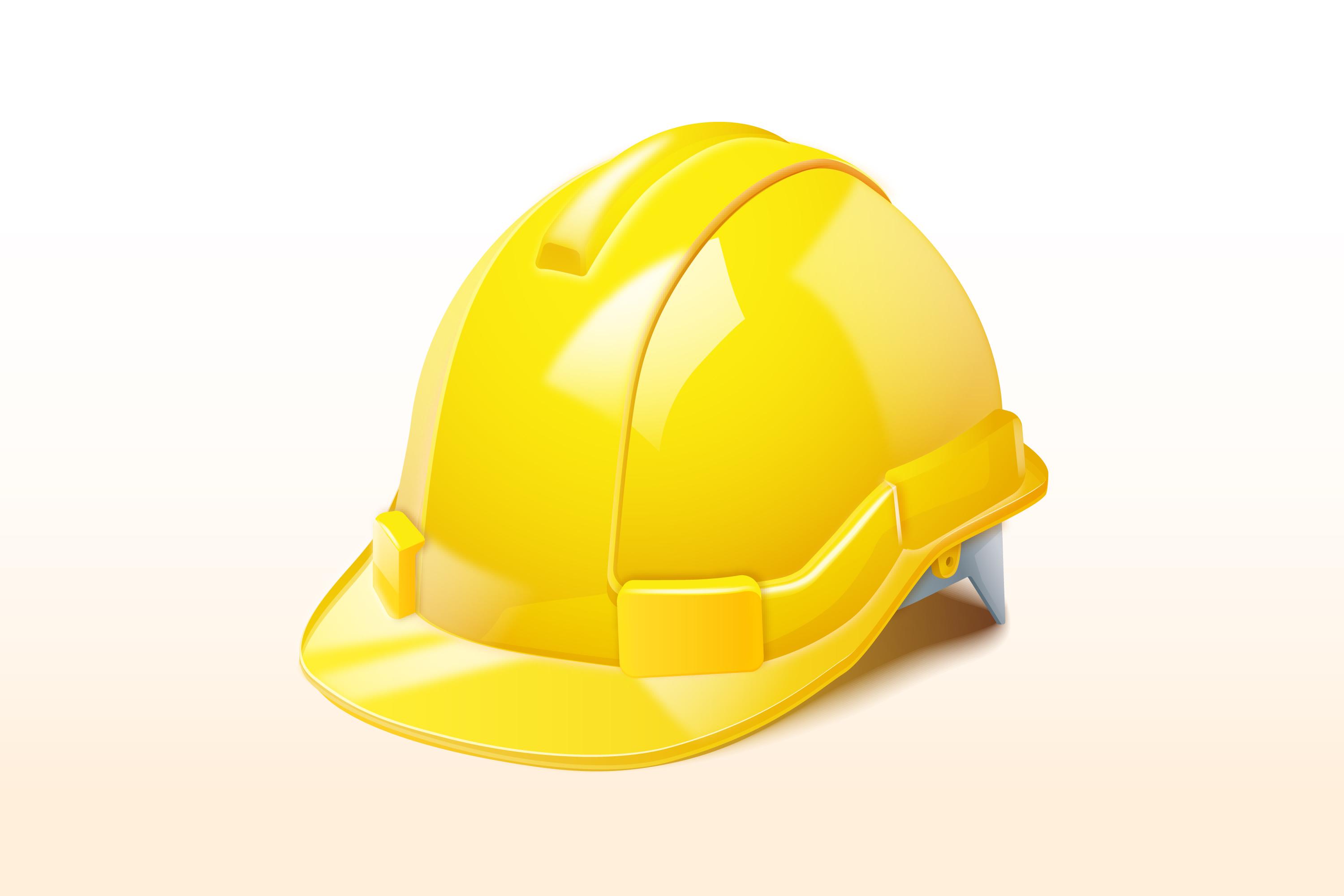
🪖 Safety Helmet
Use: Protects the head from falling objects, impacts, and overhead hazards.
How to Use: Wear snugly with chin strap fastened. Adjust suspension system for fit.
Checkpoints: Inspect for cracks, dents, loose straps, and overall fit. Replace after impact or expiry.
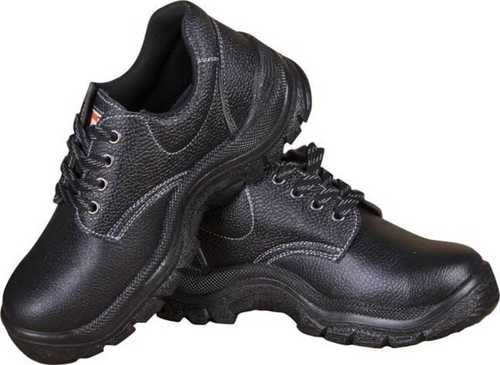
👞 Safety Shoes
Use: Protects feet from heavy falling objects, sharp items, and slippery surfaces.
How to Use: Wear fully laced, properly fitted shoes with intact soles.
Checkpoints: Inspect for worn-out tread, damaged steel toe, loose sole, or water leakage.
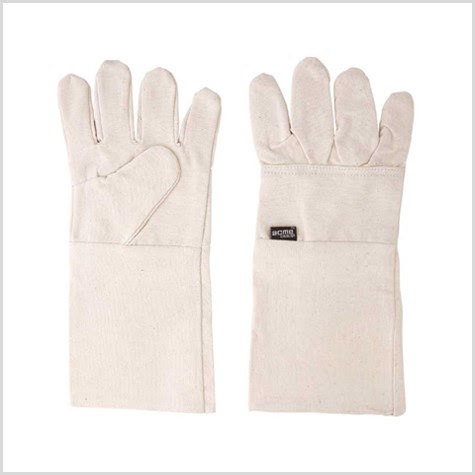
🧤 Hand Gloves
Use: Protects hands from cuts, burns, abrasions, and chemicals during work.
How to Use: Select task-appropriate gloves and wear them snugly without gaps.
Checkpoints: Check for tears, holes, oil/chemical contamination, and ensure correct glove type.
Key Safety Definitions
2.1 Safety
Definition: Freedom from unacceptable risk of harm.
NOTES:
- Balance between technical and human factors to reduce risks to an acceptable level.
- Use specific terms like protective helmet instead of general "safety" terms.
2.2 Risk
A combination of the probability of occurrence of harm and the severity of that harm.
2.2.1 Residual Risk
Risk remaining after protective measures have been taken.
2.2.2 Tolerable Risk
Risk accepted in a given context based on the current values of society.
- Tolerable risk may vary by situation.
- Residual risk is ≤ tolerable risk.
2.2.3 Risk Analysis
Use of available information to identify hazardous events and estimate the risk.
2.2.4 Risk Evaluation
Judging risk acceptability based on analysis and societal, economic, and environmental factors.
2.2.5 Risk Assessment
The process of risk analysis and risk evaluation.
2.3 Hazard
A potential source of harm.
Types of Hazards
- Mechanical: Cuts, entrapment, vibration, etc.
- Electrical: Shocks, arc, insulation failure.
- Thermal: High/low temperature.
- Fire/Explosion: Primary or secondary damage.
- Chemical: Contact with harmful agents.
- Biological: Exposure to bacteria, viruses.
- Radiation: UV, RF, laser, ionizing radiation.
2.3.8 Warning Notices
- DANGER – High risk
- WARNING – Medium risk
- CAUTION – Low risk
2.4 Harm
Physical injury and/or damage to health or property.
2.5 Level of Safety
The extent to which safety is pursued, assessed by acceptable risk and societal values.
2.6 Safety Standard
A document focused exclusively on safety aspects of a product, process, or service.
2.7 Intended Use
Use of a product/service under conditions and for purposes defined by the supplier.
2.8 Reasonably Foreseeable Misuse
Use not intended by supplier but likely due to common human behavior.
2.9 Protective Measures
Risk reduction strategies to achieve at least tolerable risk.